Creating the Ideal Custom Vegetable Boxes: A Methodical Approach
Developing custom produce boxes needs a deliberate approach. Experts must evaluate environmental impact, practicality, and visual appeal. Choosing the appropriate components is essential for preserving freshness and advancing eco-friendly methods. Moreover, size and configuration can significantly impact usability and transport effectiveness. Compelling graphics enhance company recognition, while comprehensive assessment guarantees strength. Grasping these elements will uncover key insights into producing remarkable container solutions that appeal to consumers. What comes next is fundamental to achieving those goals.
Selecting the Appropriate Materials for Custom Produce Boxes
When choosing materials for custom produce boxes, it is essential to assess both functionality and environmental responsibility. The choice of material greatly impacts the box's durability, weight, and ability to safeguard the contents. Common materials consist of corrugated cardboard, which provides strength and is recyclable, making it a preferred choice for environmentally aware businesses. Compostable options, such as molded pulp or plant-based plastics, also comply with environmentally friendly practices while providing adequate protection for delicate produce.
Moreover, moisture resistance is indispensable for maintaining freshness, driving some producers to assess enhanced substances or particular protective applications. The visual charm of the box deserves consideration, since branding and visual presentation can determine consumer perception. Ultimately, the best option should equilibrate between maintaining product integrity, engaging consumers, and adhering to environmental standards, ensuring both functionality and sustainability are prioritized within the development procedure.
How to Select Size and Shape for Functionality?
When selecting the size and shape of custom produce boxes, careful assessment of produce dimensions is essential for proper storage. Additionally, considerations for movement and transportation can affect the box design, ensuring ease of movement. Optimizing storage space utilization further enhances functionality, enabling effective presentation and organization.
Review Produce Dimensions With Care
Picking the optimal proportions and form for produce boxes is required for efficiency and effectiveness. Meticulous examination of item dimensions is paramount, as it confirms that items fit snugly without excess room that might cause damage during shipment and storage. Custom-designed containers need to accommodate diverse configurations, from delicate berries to substantial vegetables, while maintaining structural integrity. Moreover, the vertical and horizontal measurements of the boxes should facilitate layered storage and systematic arrangement, optimizing space in warehouse zones. A well-engineered container not only guards the produce but also enhances attractiveness for purchasers. In conclusion, careful consideration of dimensions contributes to reducing waste and improving consumer satisfaction in the supply chain.
Review Handling and Transport Procedures
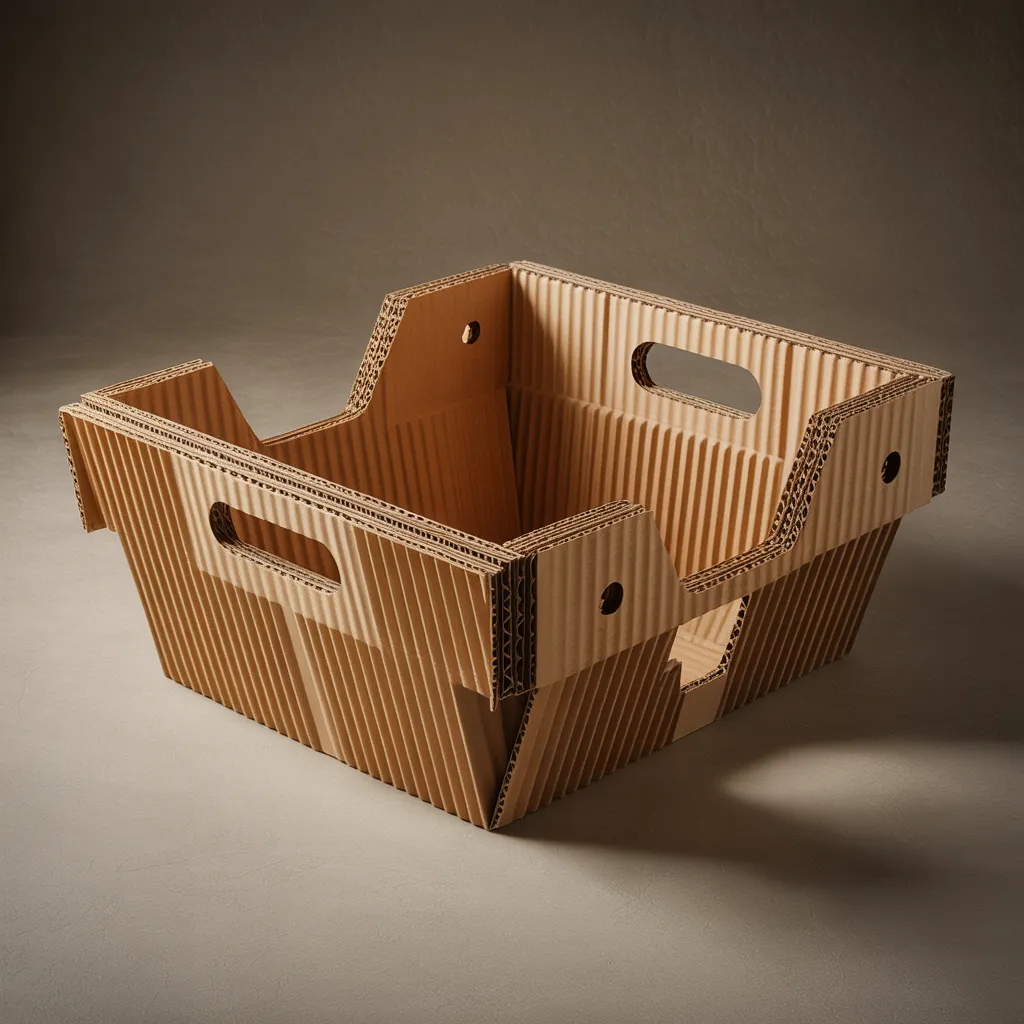
Handling and shipping factors play a significant role in determining the appropriate size and shape of custom produce boxes. The dimensions must fit the fresh items without excessive space, which could lead to movement and damage during transport. Compact, smaller boxes facilitate easier handling, while bigger containers may be necessary for bulkier items. Additionally, proper ergonomic planning is crucial; handles or openings should be carefully placed to allow for comfortable lifting and carrying. The shape of the box also affects arrangement and stability, ensuring that products remain secure. Ultimately, thoughtful evaluation of these factors enhances the efficiency of transport, reduces product loss, and supports the overall quality of the produce from farm to consumer.
Enhance Product Space Allocation
Optimizing shelving performance is contingent upon picking the suitable size and shape of custom agricultural containers. Planners should evaluate the dimensions of the storage systems as well as the categories of crops being arranged. Straight-edged boxes often boost space efficiency, permitting for more convenient organization and positioning. Alternatively, unusual shapes can heighten design appeal but may create lost capacity if not properly structured.
It's important to analyze the stock circulation rate; briskly-selling products might profit from compact, easily reachable containers. Also, adopting adjustable or flexible frameworks can facilitate different sizes of items while improving shelf organization. By highlighting practicality with visual appeal, businesses can build a practical and attractive display that strengthens both accessibility and item visibility.
How to Develop Artwork That Get Attention?
Impactful designs can convert a modest custom produce box into a remarkable display that captures attention. To succeed this, designers should start by selecting a color mix that mirrors the vitality and radiance of the produce. Vivid, visually striking colors can evoke feelings of freshness and fitness, compelling consumers to take a extended glance.
Strong typography proves equally vital; readable typefaces can effectively communicate crucial details while enhancing visual appeal. Moreover, using high-quality images of the merchandise can create an immediate connection, showcasing the item's superiority and motivating prospective clients.
Furthermore, incorporating unique patterns or illustrations can help differentiate the brand in a congested market. Steadiness in visual features, such as logos and taglines, bolsters brand identity. Ultimately, a blend of creativity and clarity in graphic design can greatly boost the significance of custom produce boxes, making them stand out on shelves.
Eco-Friendly Practices for Custom Produce Box Packaging
A growing volume of enterprises are embracing eco-friendly techniques for custom produce box packaging, recognizing its value in today's sustainability-focused market. These initiatives often feature the use of biodegradable materials, such as recycled paper and plant-based plastics, which decrease environmental impact. Companies are also focusing on ethical sourcing, making certain that materials are obtained from responsibly managed forests or suppliers who support environmental stewardship.
Additionally, many brands are selecting minimalistic layouts that decrease waste while still successfully displaying their products. This approach not only attracts environmentally aware consumers but also aids in cutting down production costs. Moreover, businesses are progressively implementing efficient manufacturing processes that limit energy consumption and waste generation. By integrating these sustainable practices, companies not only enhance their brand image but also contribute positively to the planet, matching their operations with a sustainable future.
Inspect Your Custom Produce Box Structure
Testing the design of custom produce boxes is an crucial step in ensuring they meet both aesthetic and practical needs. This procedure usually involves evaluating factors such as durability, dimensions, and usability. First, prototypes should be created to assess the container's physical stability, making certain it can withstand shipping and keeping without compromising the contents.
Next, user experience evaluations can be conducted to assess how easily the boxes can be opened, closed, and stacked. Input from potential users can be invaluable in this phase, providing insights into the box's practicality.
Moreover, the visual attractiveness of the design should be tested through focus groups or surveys, determining customer feedback to brand identity elements, hues, and complete visual presentation.
In the end, thorough evaluation allows designers to refine the box, guaranteeing it not only appeals to customers but also adequately safeguards and presents the produce within, striking the right balance between form and function.
Effectively Marketing Your Personalized Produce Boxes
Impactful promotion of custom produce boxes requires a strategic approach that highlights their unique features and benefits. Businesses must focus on identifying their intended customers, whether they are local farms, grocery stores, or individual consumers. Capitalizing on social media platforms can enhance brand awareness, showcasing the boxes' design and practicality through engaging visuals and storytelling.
Furthermore, teaming up with community leaders and farm operators can strengthen reputation and widen market presence. Introducing promotions or discounts during seasonal peaks can pull in new clients and foster customer loyalty.
In addition, stressing eco-conscious values and sustainable practices in brand communications can attract green-minded customers. Delivering detailed information about material choices and the perks of customized packaging solutions can further distinguish the product in a additional information competitive market.
Ultimately, a thorough marketing strategy that combines digital and local activities will successfully promote custom produce boxes, attracting a heterogeneous clientele and driving sales.
Frequently Asked Questions
What Are the Charges Related to Custom Produce Box Development?
Expenses linked to custom produce box design cover supplies, printing services, labor, and shipping. Furthermore, creative design and order minimums can influence total expenses, causing fluctuating prices based on exact requirements and scale of production.
How Long Does Production of Bespoke Boxes Require?
Producing custom boxes usually demands two to six weeks. Factors that influence this duration include intricacy of design, availability of materials, and production capability, each of which can affect shipment timelines and processing times.
May I Place an Request for a Minimal Batch of Custom Produce Boxes?
Yes, modest amounts of custom produce boxes can typically be ordered. Many vendors offer base order requirements, enabling businesses or individuals to acquire customized packaging options without needing to commit to substantial volumes at first.
What Are Common Errors to Avoid in Custom Box Layout?
Typical mistakes in custom box design involve overlooking functionality, ignoring brand consistency, undervaluing material quality, not considering target audience preferences, and disregarding environmental impact. Each aspect is vital for effective packaging and customer satisfaction.
What Measures Should I Take to Confirm My Boxes Are Food Safe?
To ensure boxes are food-safe, one must choose materials certified for food contact, avoid harmful inks and adhesives, keep cleanliness during production, and regularly test for compliance with health regulations and safety standards.